




Ironopolis – The Town that Built the World
“The iron of Eston has diffused itself all over the world. It furnishes the railways of the world; it runs by Neapolitan and Papal dungeons; it startles the bandit in his haunt in Cicilia; it crosses over the plains of Africa; it stretches over the hills of India. It has crept out of the Cleveland Hills where it has slept since Roman days, and now like a strong and invisible serpent, coils itself around the world.” – Sir H. G. Reid, 1881
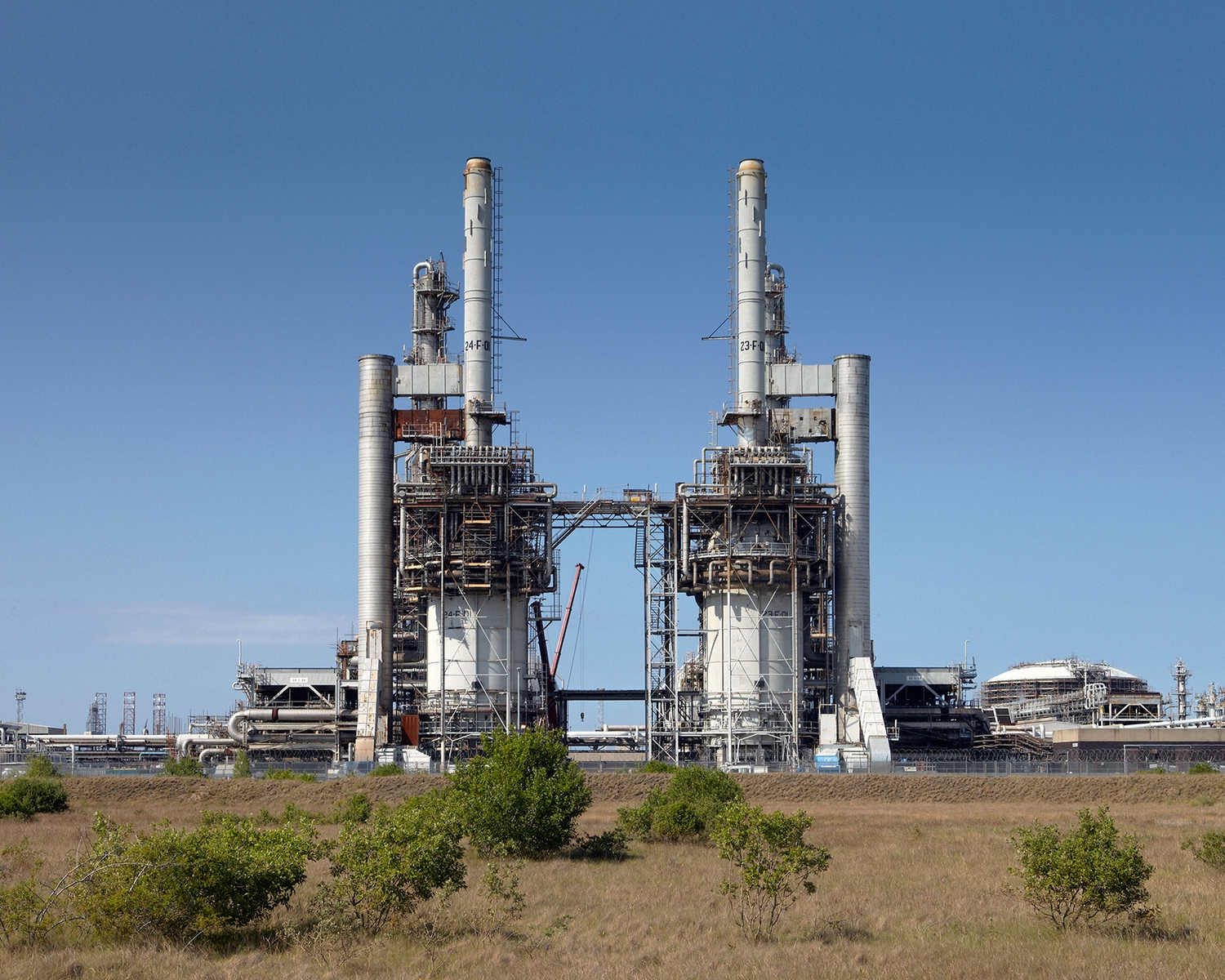
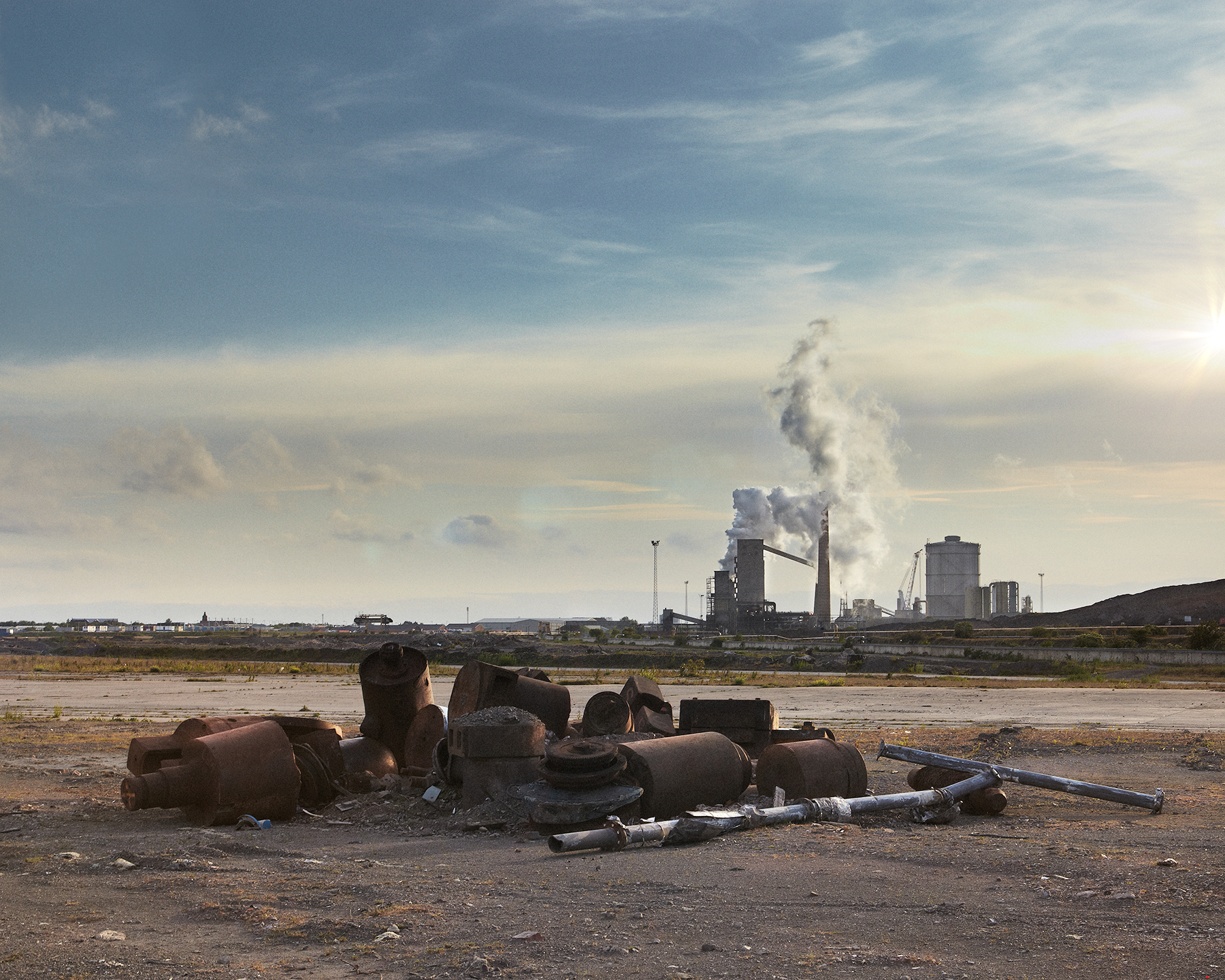
The story of Middlesbrough’s rise and fall from industrial might to post-industrial dystopia is not an uncommon tale to anyone. These scenes are mirrored in the USA’s rust belt and the Eastern Bloc’s former military industrial complexes. Many towns built off the back of specific industries have been hard hit by our new globalised free market economy.
Middlesbrough, once nicknamed Ironopolis for the sheer quantity and quality of the iron ore in its surrounding hills, was once the world’s largest producer of steel and shipping. Here was built the first railway line and suspension bridge. Its engineers and chemists studied at the world-famous Durham University and led the great industrial powerhouses of British Steel and ICI.
Yet even with the construction of Crossrail, Europe’s largest ever infrastructure project, successive governments could not influence private consortiums to utilise domestic materials or labour and alter this town’s slow drain of commerce, skills and population.
The explanation for Britain’s mothballed factories is globalisation and the free market. China’s slowing growth means less domestic demand for its products, lowering their price. National demand for domestic steel falls, causing surplus supply to be sold to international markets at a loss. This cheap available steel, alongside green taxes and the strong pound, means British steel producers are seeing their orders fall, alongside their profit margins.
This slow closure of traditional industries is unlikely to change, requiring local and national government to look to emerging technologies that can incorporate local skills and infrastructure. One of these growing markets is renewable energy and offshore engineering.
Many companies flourished during the Labour government’s huge offshore wind farm installation and the subsidising of renewable energy to the grid. But with new policies and investment set to change, it is looking less likely the region can reinvent itself successfully and welcome back new industry and a proud population.
Available in editions of 10, 100 × 80 cm.
(c) Jamie McGregor Smith 2017