




Borrow, Build, Abandon – Athenian Adventures in Concrete and Steel
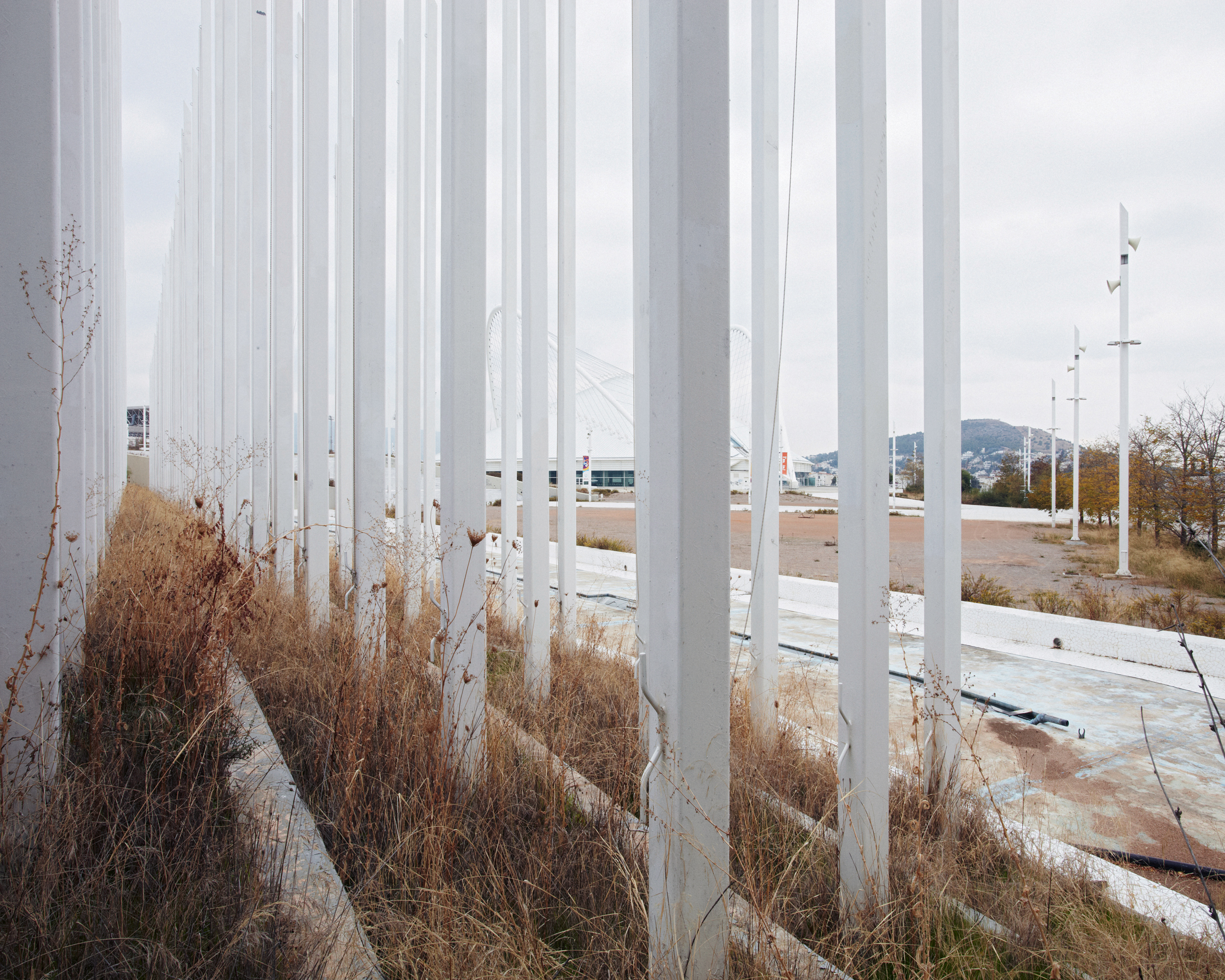
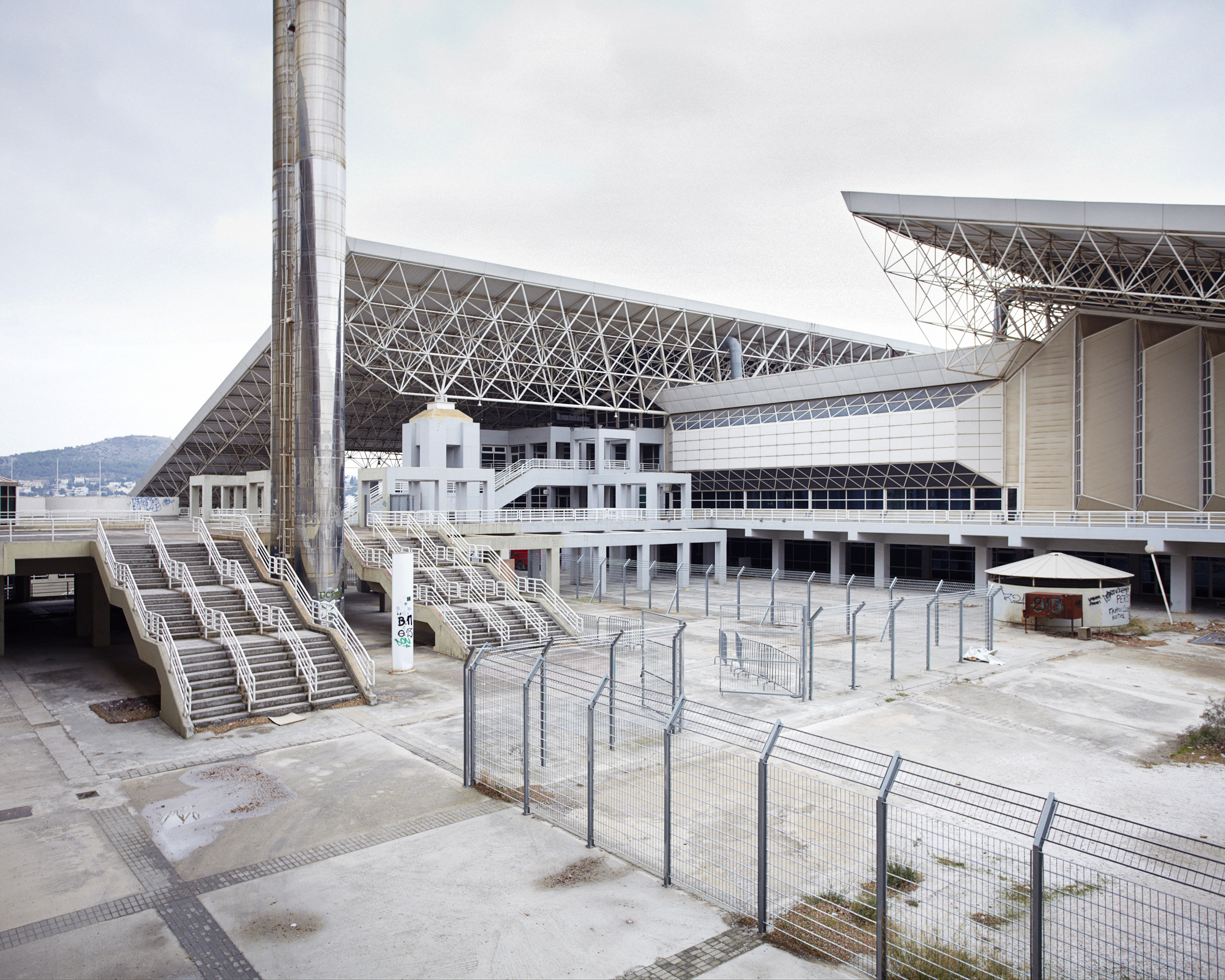
This documentary series explores the legacy of the 2004 Athens Olympics, eight years after the Games came to a close. Only three of the twenty-two Olympic stadiums – built at a cost of $15 billion – are currently in public use, the remainder requiring an annual $100 million in upkeep costs.
The significance of these white elephants is exemplified by the country’s huge national debt (one of the highest in Europe) and highlighted by its recent social unrest against national austerity measures, including a 30% cut in annual sports funding.
Lessons on Olympic legacy, which should have been learnt from Barcelona and Sydney, were overshadowed in Greece’s case by pressures of completion in the delayed three-year construction timeline. Caused by political intervention and governmental elections, this rush for completion allowed little thought for post-Games usage and trebled its construction budget.
Host nations’ Olympic Games construction is part of civilisation’s continued trend of public borrowing for structures that have limited shelf life. They come at a huge cost of limited natural resources, requiring energy consumption and carbon emissions that far defy the intelligence and understanding we’ve been fortunate enough to develop.
In the years of sovereign debt crisis, these white elephants of peer-pressured national pride, much like the industrial shells of Detroit, are testament to humans’ continued failure to comprehend inevitable entropic social change. We must consider how all human construction in the future could have the technology of functional adaptation.
In this series we are drawn to the aesthetic qualities of architecture and their social relationship to the societies they were constructed by. In the cases of abandonment, the effect of their power, achievement and status on our human landscape equally exaggerates their failure in the context of their functional disestablishment.
Available in editions of 10, 100 × 80 cm.
(c) Jamie McGregor Smith 2019